Another Strook featuring something I've drawn, read, and listened to.
Reading & Drawing
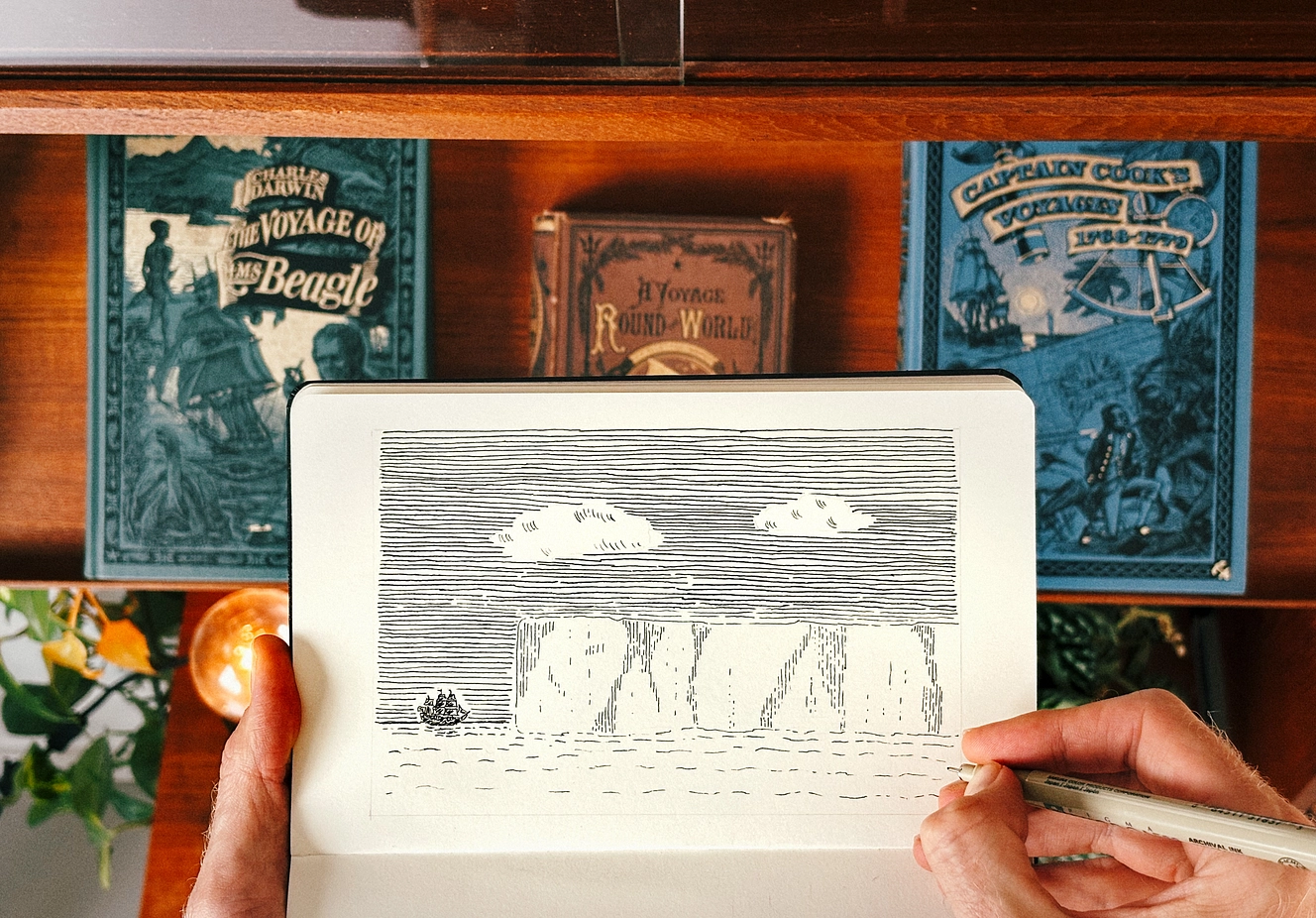
Andrea Wulf’s The Invention of Nature is one of the best books I’ve ever read, about Alexander von Humboldt. Humboldt was Charles Darwin’s great role model and the very reason he wanted to join the Beagle. But who was Humboldt’s great role model? It was George Forster. Wulf kept coming across him while writing and rightly concluded that he deserved his own biography: The Traveler.
The German George Forster was 10 when he went on his first expedition with his father. While his peers were sitting in school, he was galloping on horseback across the Russian steppes. The Forsters moved to London, where he translated travel books such as Voyage to China and Travels in North America. In this way, even as a teenager, he was sailing around the world in print.
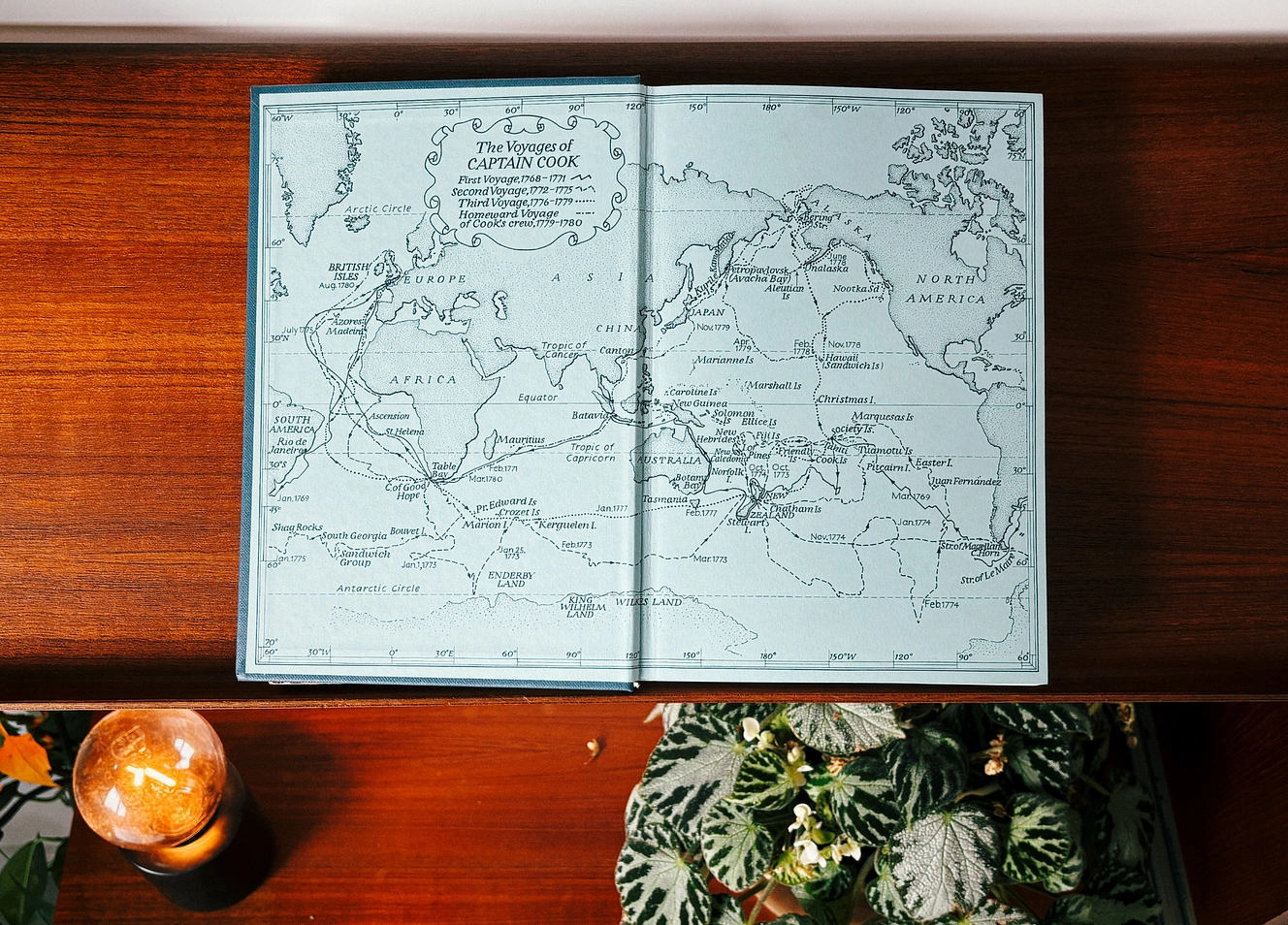
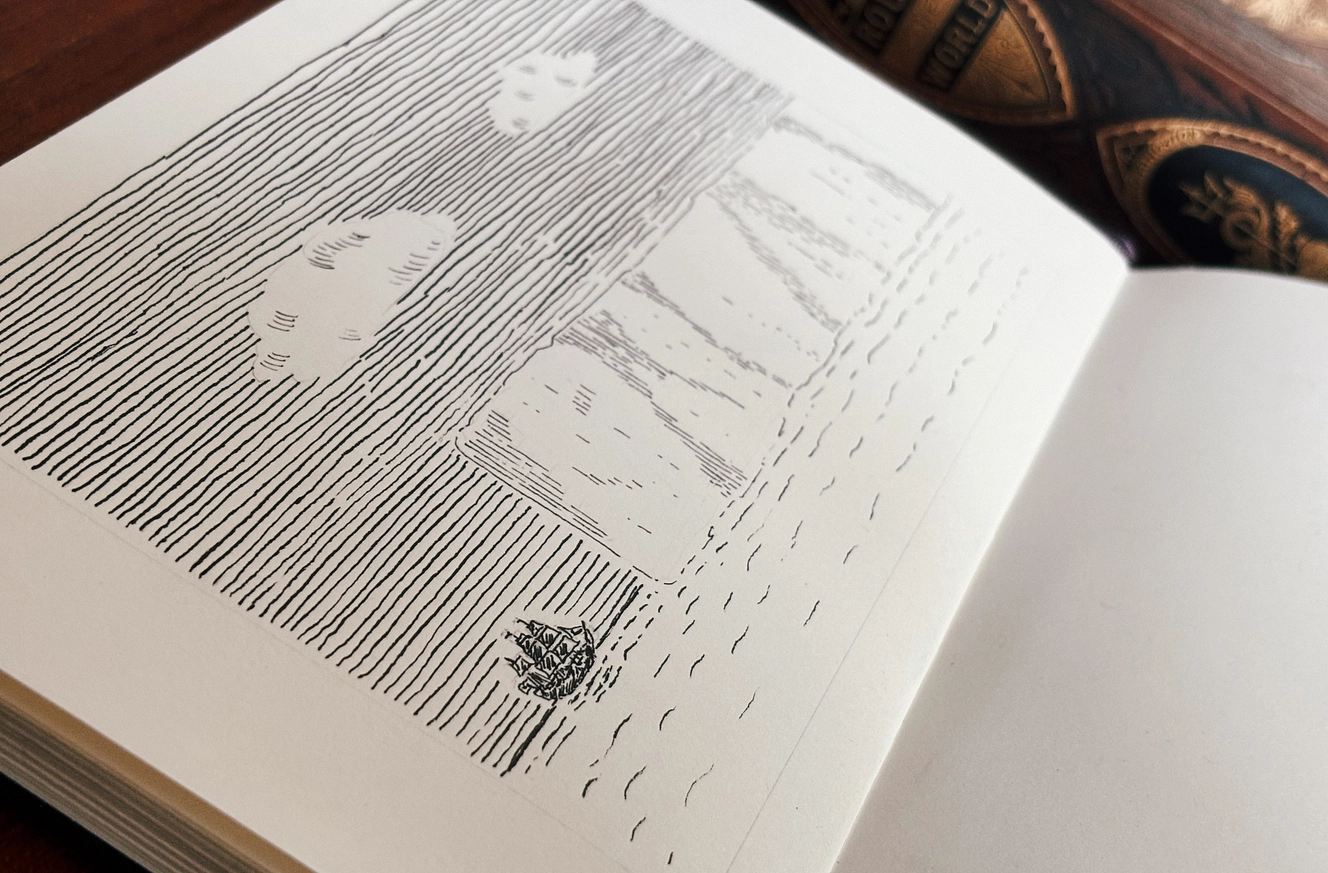
In 1772, at age 17, he actually set sail as an assistant naturalist and illustrator on Captain Cook’s The Resolution. For three years, he traveled from tropical islands such as Tahiti to the Maori people of New Zealand and on to the penguins at the South Pole. The main goal of the voyage was to determine whether the legendary Terra Australis Incognita existed. They sailed so far south on several occasions that they were nearly unable to proceed due to ice floes. Conclusion: if there is a continent, it is uninhabited and covered in ice. Forster wrote A Voyage Round the World about that journey, which immediately became a classic.
In Europe, he subsequently became a welcome guest. He spoke 10 languages and was friends with Humboldt, Goethe, and Benjamin Franklin, among others. Completely against the spirit of the times, he did not view the peoples he encountered as inferior. He championed human rights, opposed slavery, and regarded women as equals.
His ideals, however, are the reason we are no longer familiar with him today. As a German, he supported the French Revolution so openly that he was forced to flee to Paris, where he died poor and ill at the age of 39.
My interest in explorers and natural history began 15 years ago when I read Captain Cook’s travelogues. I kept reading. It’s fascinating how many of the leading figures in science whom I’ve come to know better since then—such as Humboldt, Joseph Banks, Buffon, and even Benjamin Franklin—all come together in the life of George Forster. And in this wonderful biography.
Listen
Westside Cowboy describes their music as “Britainicana”—a fitting description. They’ve already opened for Geese, even though they hadn’t released an album yet. They’ve built quite a reputation for their live shows. You can really hear that energy on their debut album, which came out last week. In the song “Dobro,” they sound like The Strokes who actually took the right musical turns. My favorite is “Kick Stones (The Boys).”
Oh, and speaking of Paris. Next week I’m going on a natural history trip with my dad, and we’ll be visiting places like the Jardin des Plantes and the Muséum national d’histoire naturelle. So no “Strook” next week, but I’m sure I’ll have something new to write about. See you soon.