Trains are great. At 7:30 a.m., we boarded the train in Rotterdam, played Scrabble, and by the afternoon we were already strolling around Southwest England. Now we’re back home, and it’s high time for a new Strook featuring something I’ve drawn, read, and listened to.
Drawing
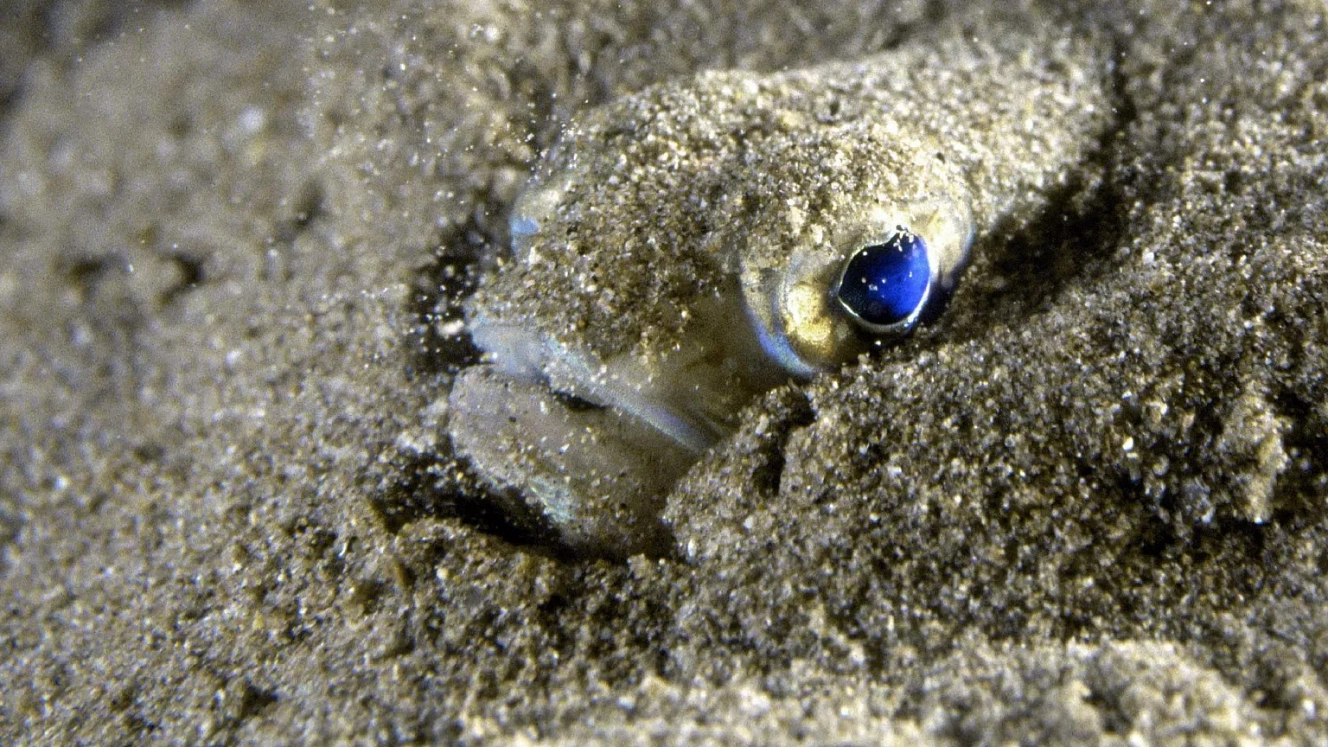
It felt like a piece of glass or a sea urchin had gone through my foot. After I stumbled out of the sea, I couldn’t see a thing wrong with my foot. But the pain kept getting worse. A lifeguard had the answer ready. “That’s a Weever Fish, mate!” My foot had to soak in nearly boiling water for half an hour. The heat breaks down the protein in the venom.
In the Netherlands, it’s called the “Pieterman.” And you’d better get used to it. Due to ocean warming, its numbers are increasing very rapidly. In the North Sea, they’re being found 24 times more often than 30 years ago.
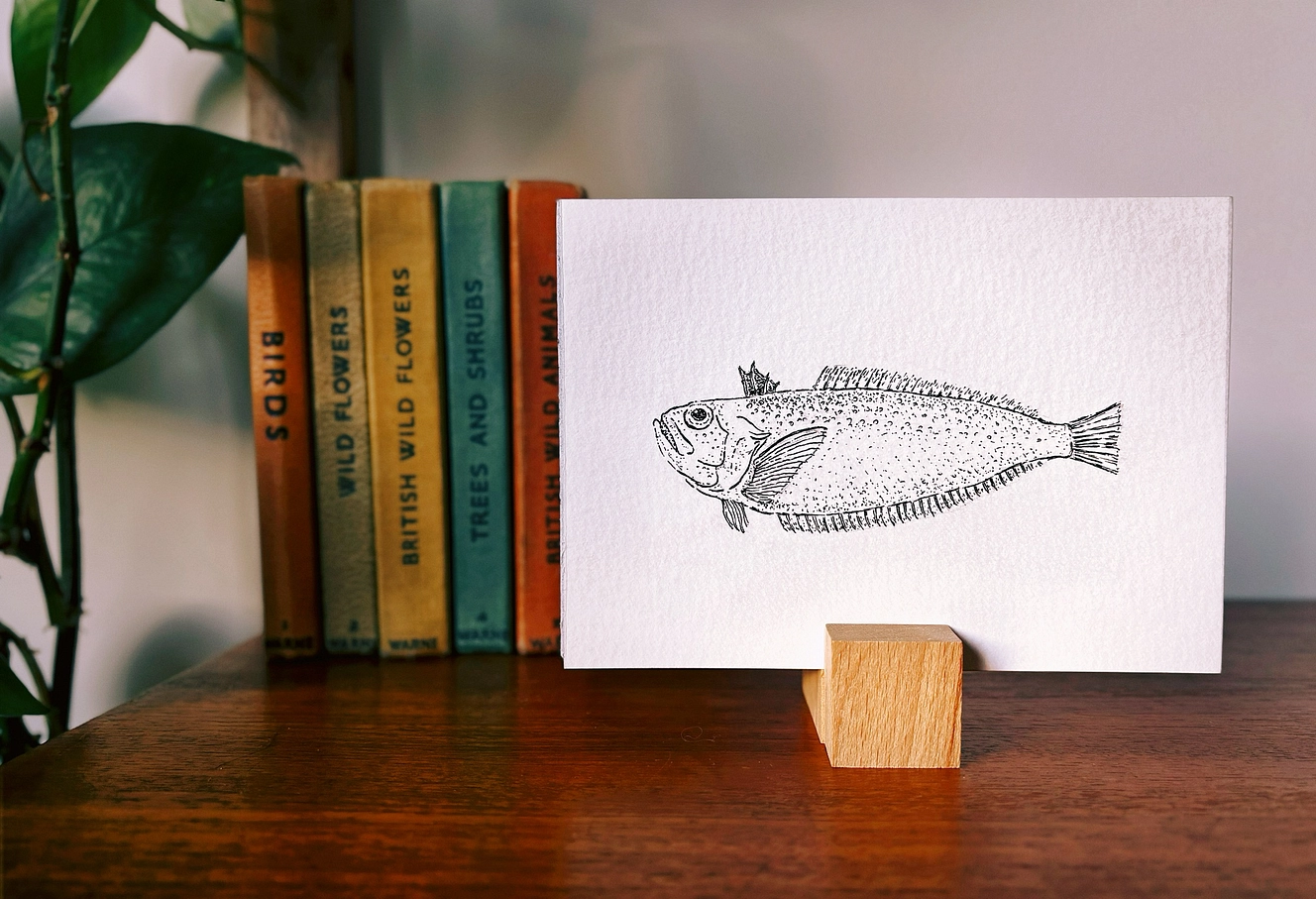
As I read, I developed a newfound respect for this little Pieterman. As a tiny fish, buried in the sand, it can take down beachgoers who are nearly 2 meters tall. With a shoe size of 48 and a low pain threshold—but still! I made peace with my new arch-enemy and drew him while on vacation. Sorry, after three weeks of vacation, I don’t have any more exciting stories or drawings to share.
Read
There are indeed more remarkable creatures to be found on the southern coast of Britain. I previously wrote about Mary Anning, who discovered the first ichthyosaur as a child. Her finds—such as the first plesiosaur—are still the crown jewels in museums like the Muséum national d’Histoire naturelle in Paris. In my search for a good biography, I came across Tracy Chevalier’s Remarkable Creatures. It’s not a biography, but a novel.
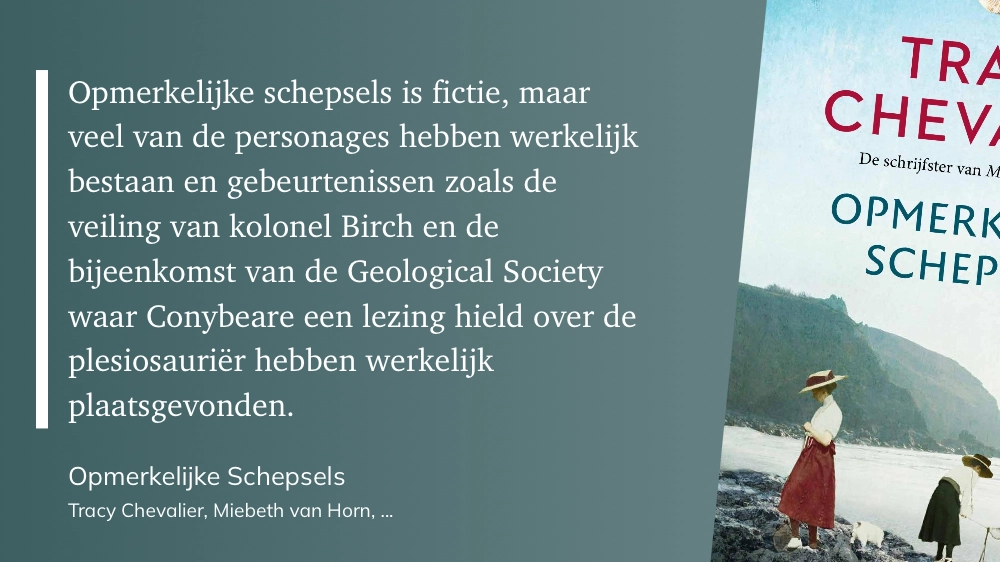
She takes as her starting point Mary Anning’s friendship with Elizabeth Philpot, who, like Mary, collected fossils in Lyme Regis. They make the discoveries, but all the credit goes to male collectors who buy their finds and publish about them. These frustrations with British class society and the lack of scientific recognition are central to the story. Chevalier makes it a very readable book and ensures that real-life events—such as her financial struggles, the auction of her finds, and encounters with scientists like Buckland and Cuvier—find their place in the story. This non-fiction reader really enjoyed it.
Listening
How often does a song still give you goosebumps? I got them several times while listening to Phoebe Bridgers’ new album. I first got to know Bridgers as one half of the wonderful band Better Oblivion Community Center, through her contributions to albums by The National, and as part of the supergroup boygenius. As a solo artist, she created one of my all-time favorite songs, “Scott Street”—melancholic and laced with dark humor.
On my first listen to Lost Weekend, I immediately picked out “Haunted.” Typical Phoebe Bridgers.
On my second listen, I realized there’s a common thread running through the album: broken relationships, but above all, a childhood marked by domestic violence and a complicated relationship with her late father.
The album feels like a musical therapy session. And then, near the end, in “I Can’t Wait.” A harmonica, a banjo. And—is that… Cameron Winter?
What an album. I’m going to sit down and give it another good listen.
See you next week.
(And if you’re reading the newsletter on the beach, have fun!)