Another Strook with something I drew, read, and listened to.
Drawing
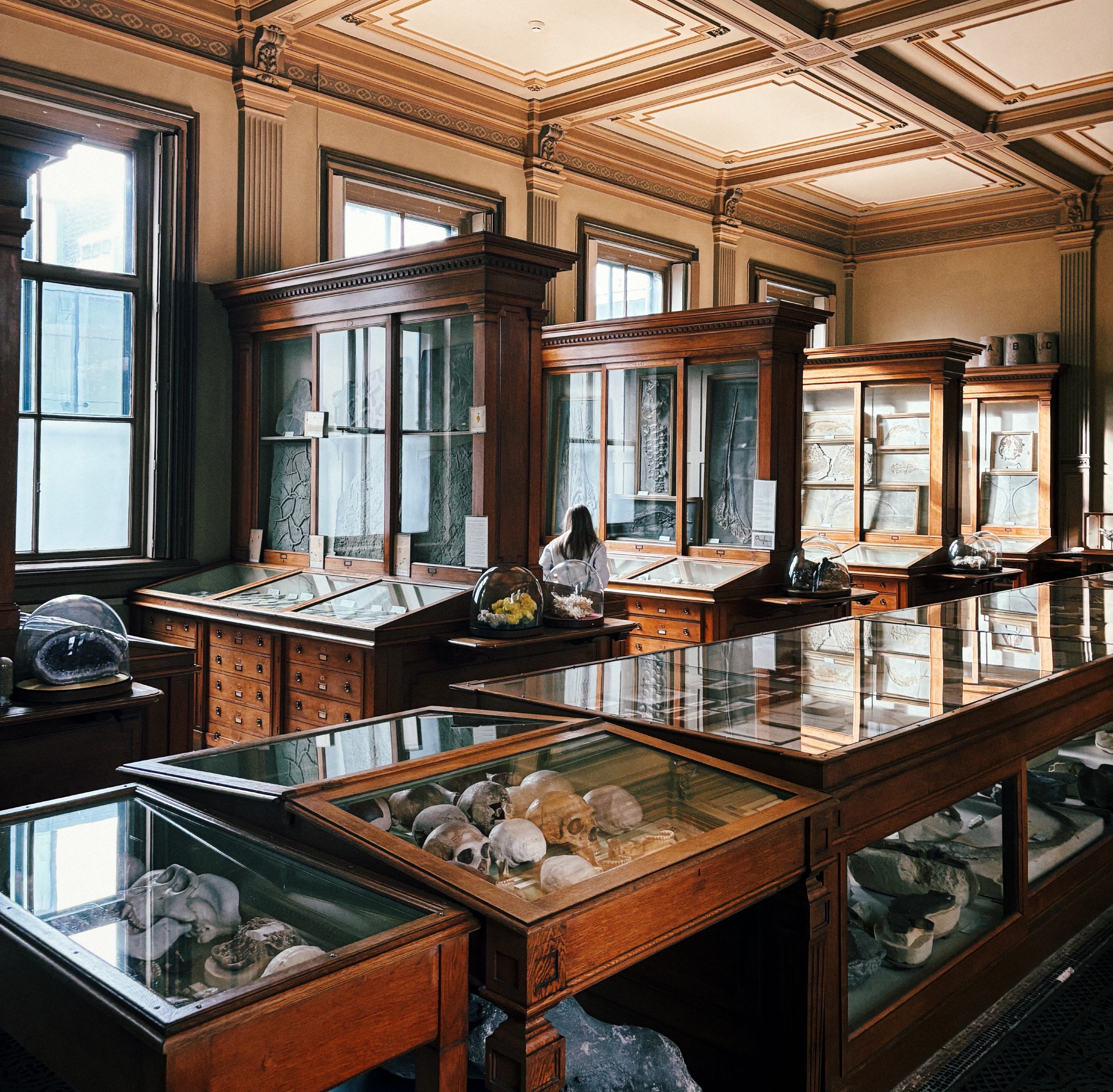
The oldest (and most beautiful) museum in the Netherlands is the Teylers Museum in Haarlem. Last week, I finally visited it again.
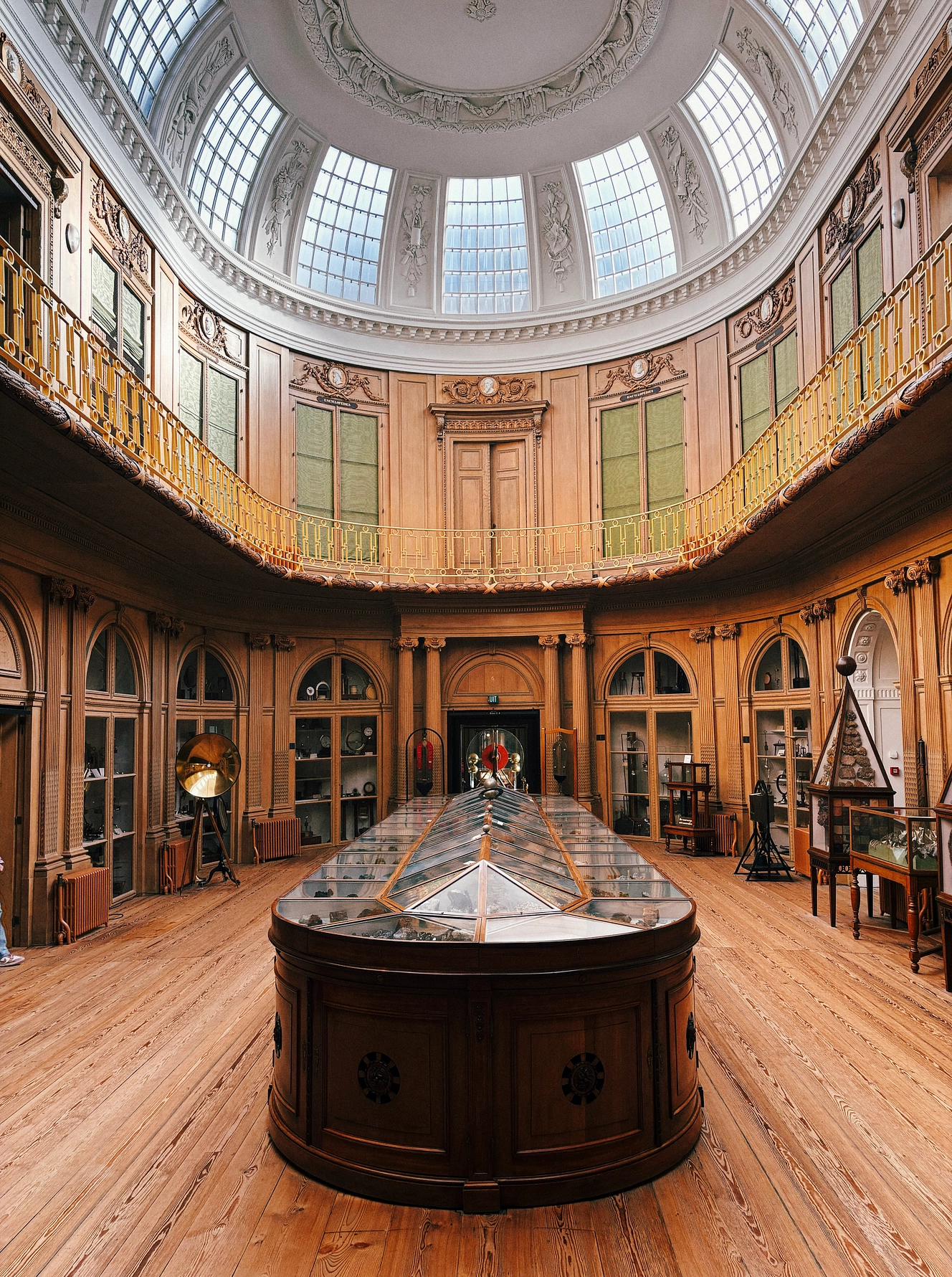
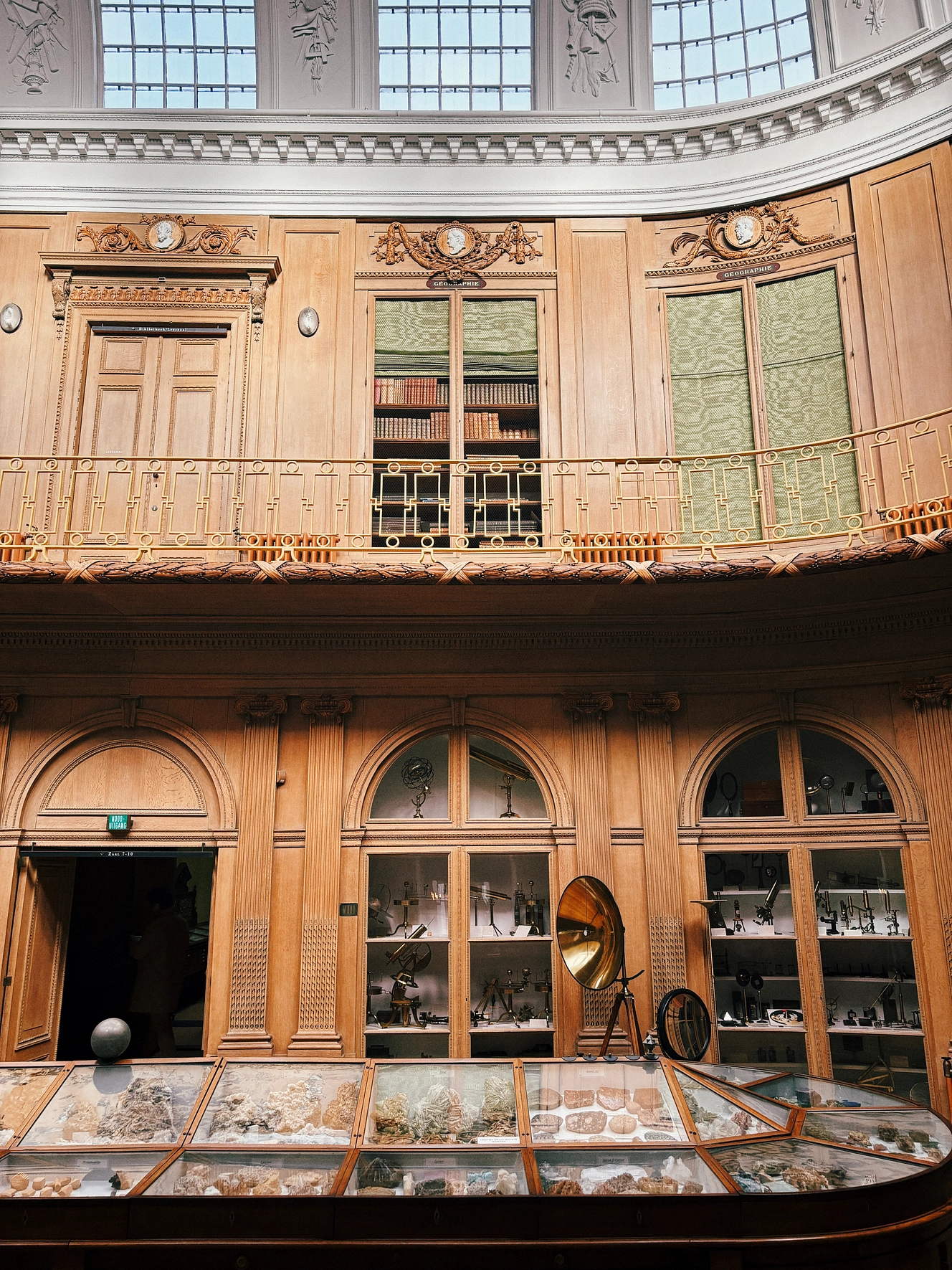
Since my last visit, Pieter Teyler's former residence has been completely restored and opened to the public. At the end of the 18th century, you entered the museum through the residence1 and arrived in the monumental Oval Room. Now it's the other way around: you enter the residence through that same room.
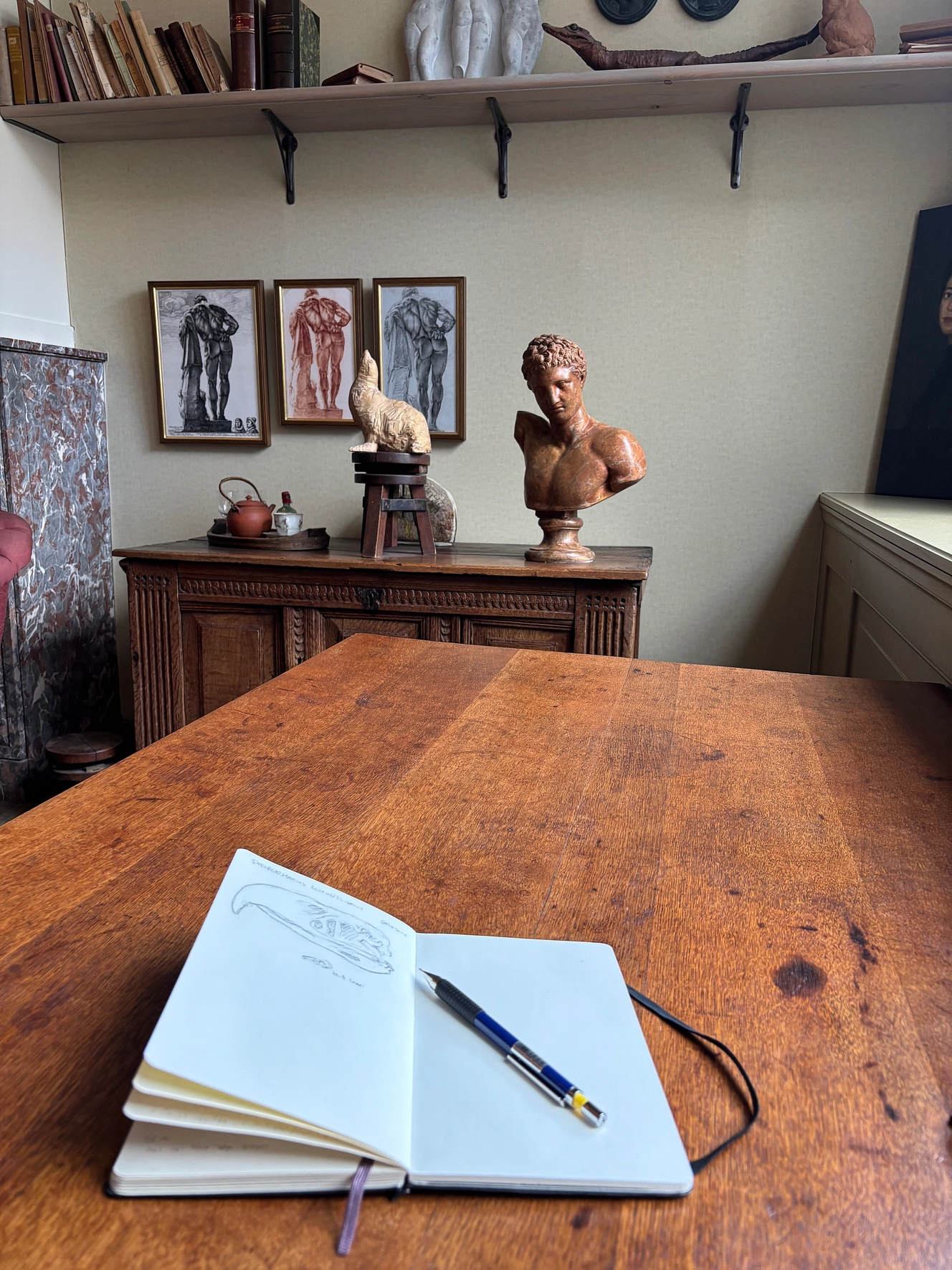
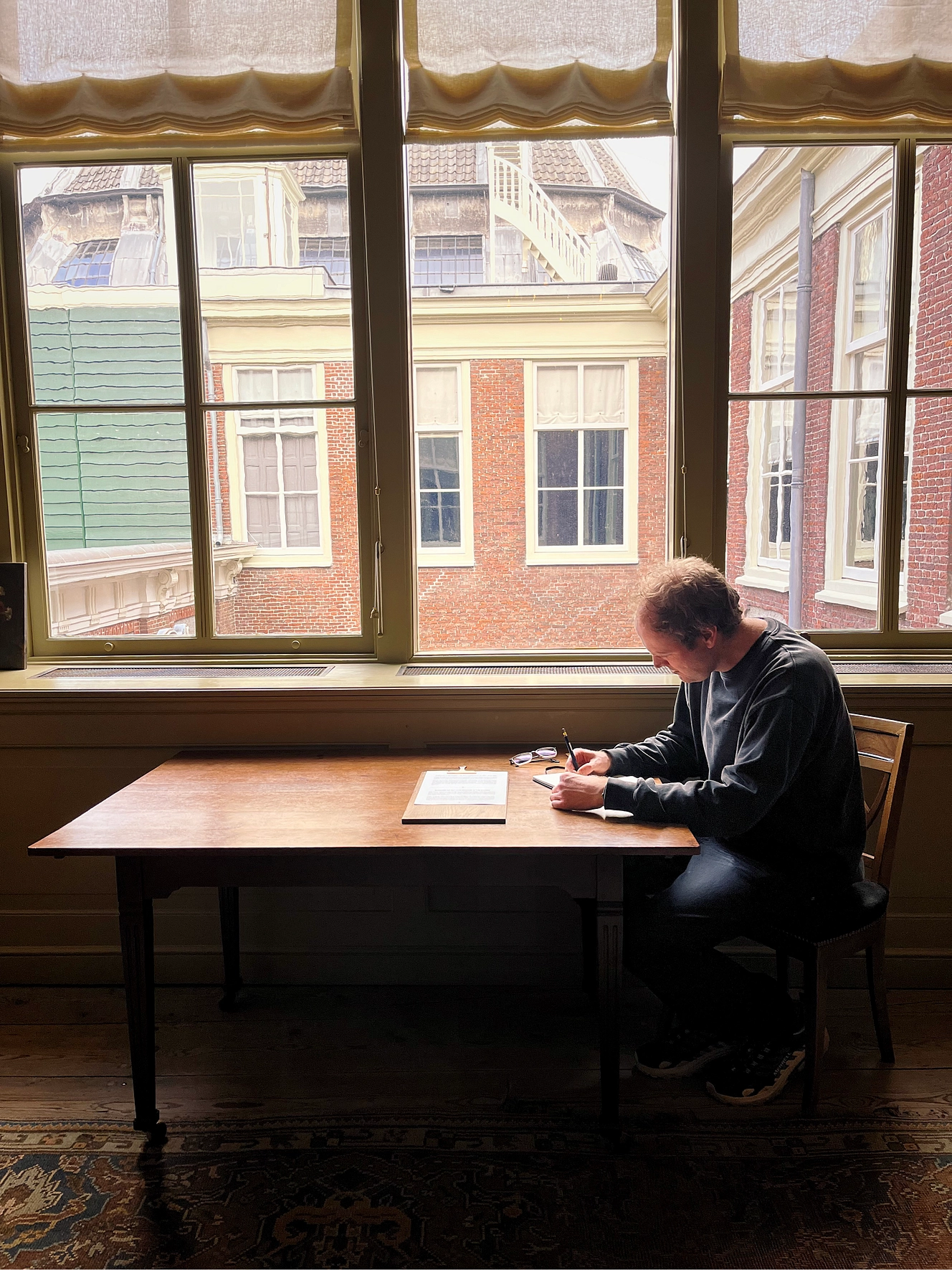
On the first floor, I found the innkeeper's studio. The innkeeper was a jack of all trades: a painter and draftsman, who also worked as a custodian and curator. A kind of artist-in-residence. The room has been completely restored as a study. I couldn't resist imagining myself in his role for a moment.
In the museum itself, I saw the skull of an extinct flightless bird from Patagonia. For comparison, there is a skull of a variegated crow next to it. This carnivorous bird must have been gigantic. I made a quick sketch, which I shaded at home.
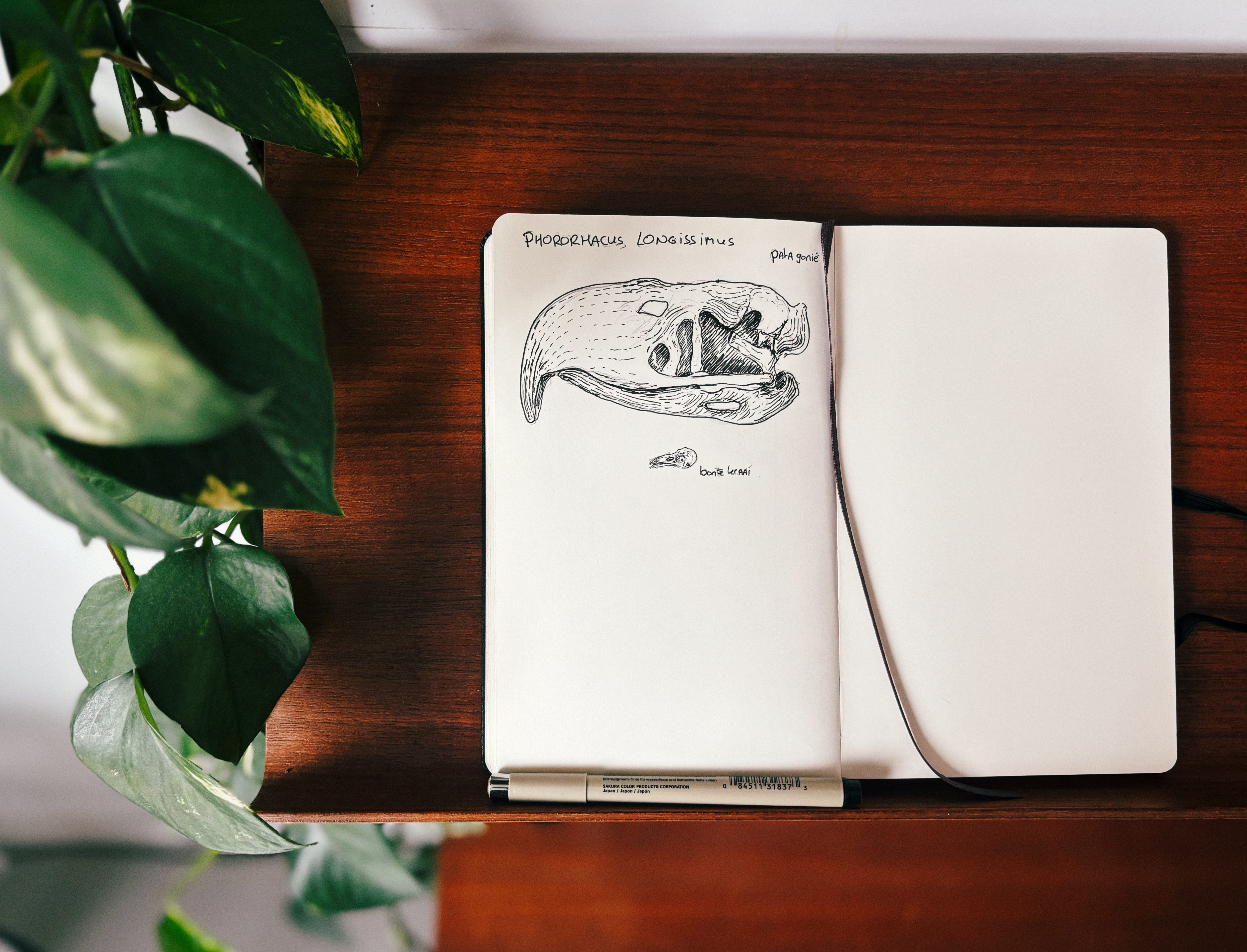
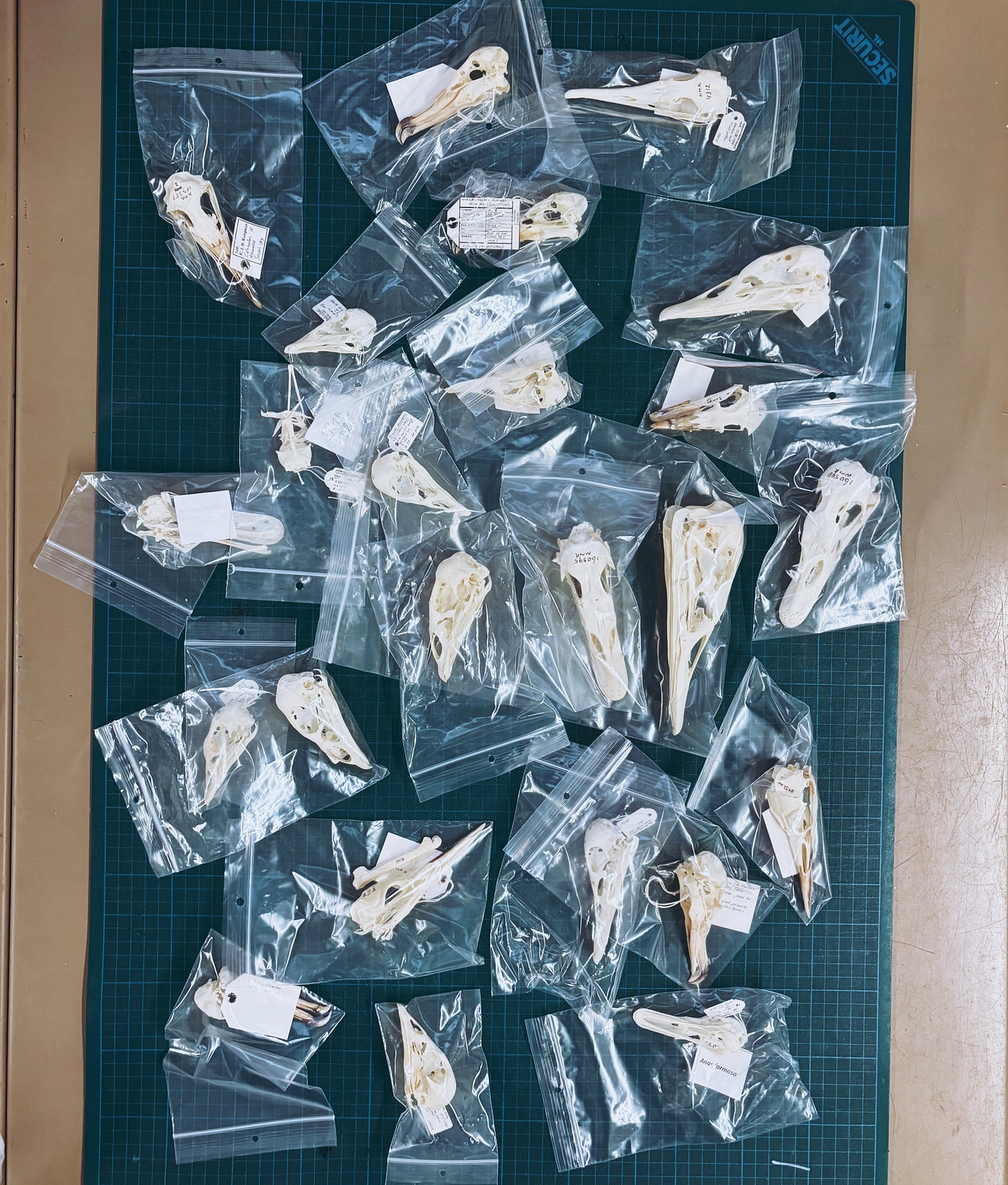
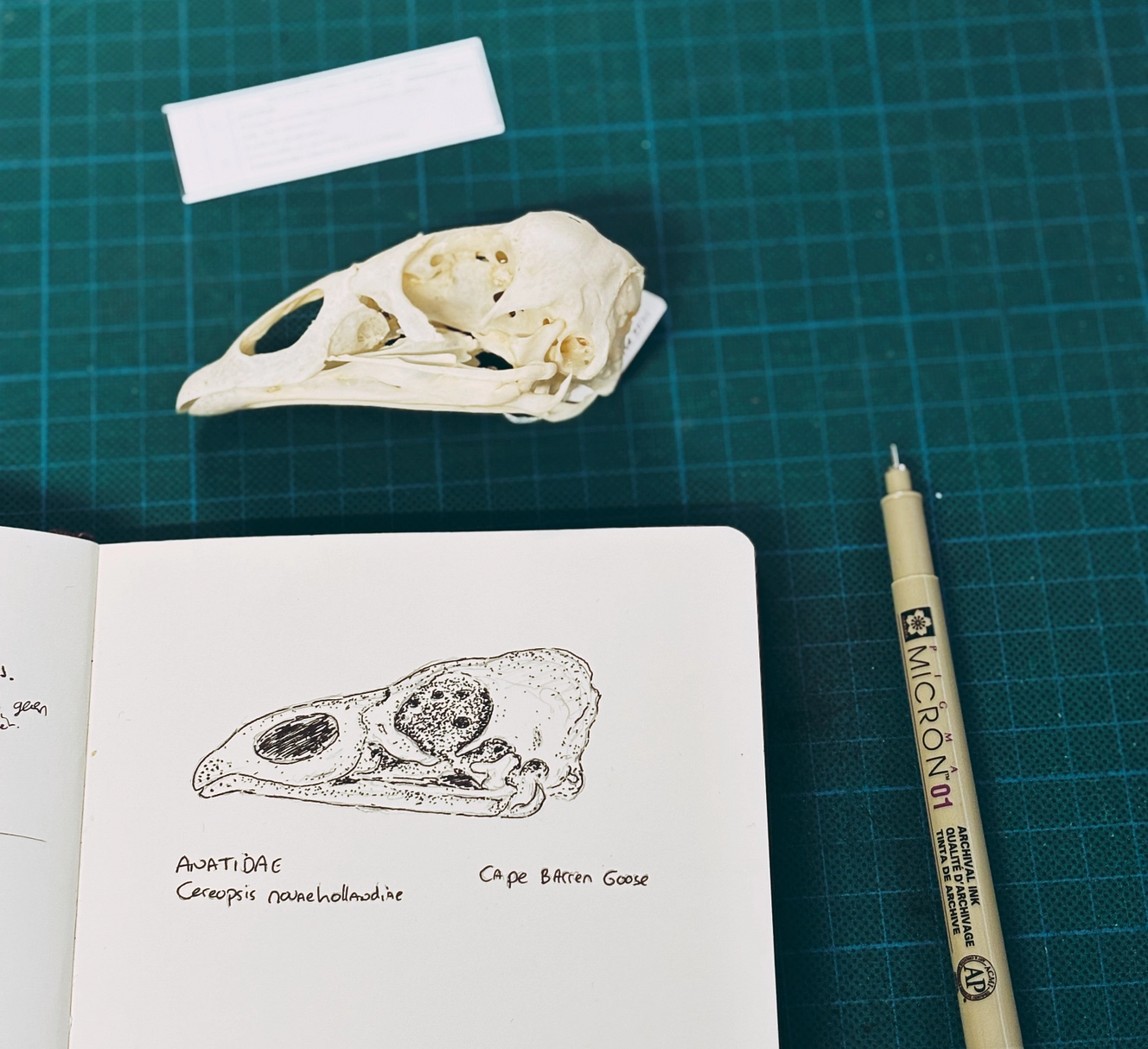
Now let's hope that no anatomy experts are reading this. Drawing skulls and bones is a (difficult) skill. Fortunately, I have plenty of practice material at the Natural History Museum. Recently, I labeled dozens of bird skulls and drew the most striking ones. Who knows, maybe one day I'll master it.
Reading
I wanted to visit the Teylers Museum because I am currently reading De Reuzensalamander (The Giant Salamander) by Jelle Reumer: a history of paleontology and of the Teylers Museum. Until well into the 18th century, it was not clear what fossils actually were. Were they just some weird things that looked like shells or bones? Remains from the flood? It was a bit weird because no human fossils had ever been found.
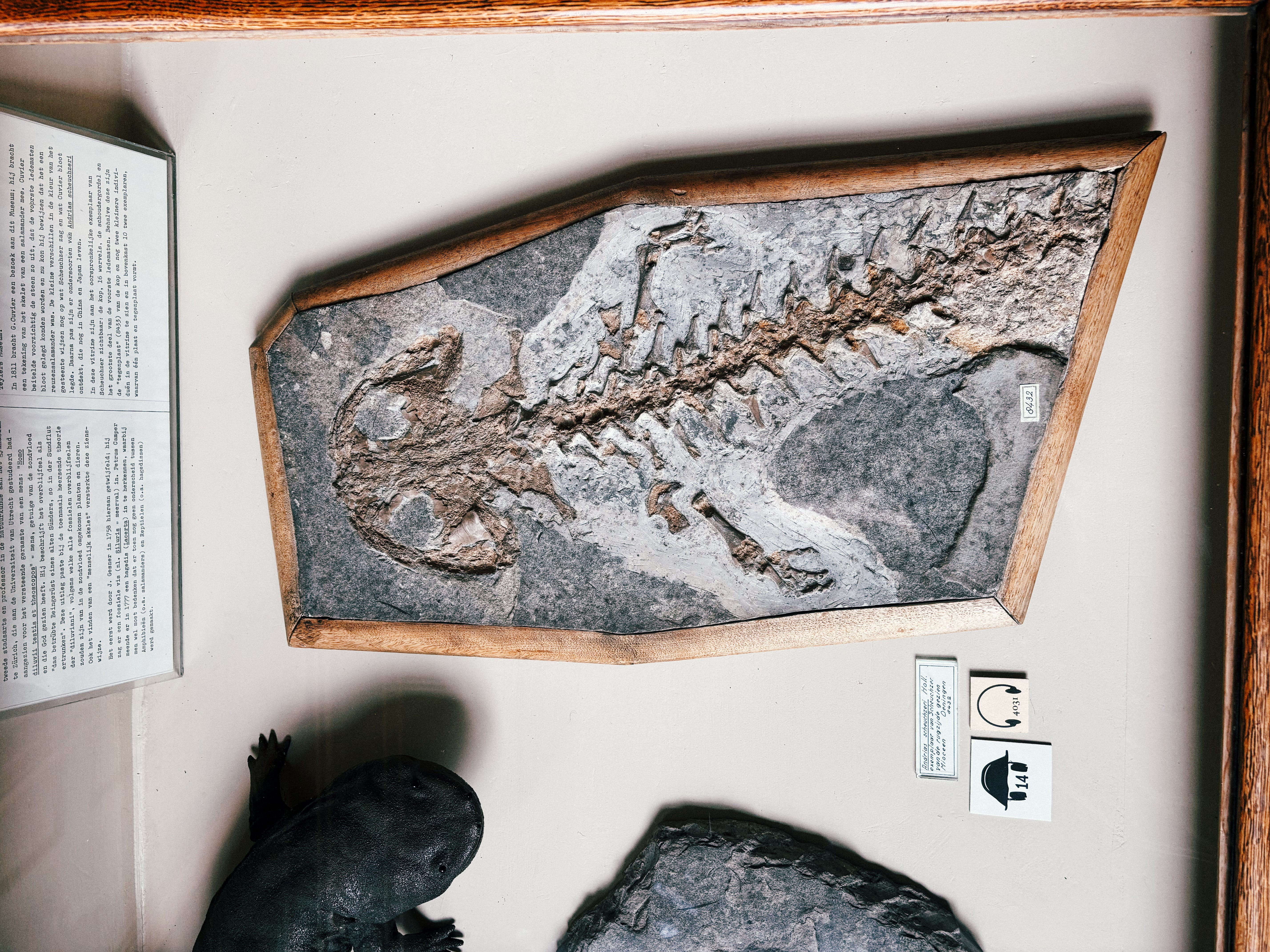
Central to the book is the Flood Man, one of the most famous fossils in the Teylers collection. In 1725, naturalist Scheuchzer thought he had finally found it: a human skeleton that had perished during the flood. The truth only came to light a century later, when paleontologist Cuvier exposed the fossil as a giant salamander.
Leonardo Da Vinci had already realized that the flood theory could not be correct, writes Reumer. After all, rain does not carry dead things from the coasts to the mountains. However, suggesting that these were extinct animals could be dangerous. Even two centuries later, Buffon had to watch his words when writing about fossils.
In the 19th century, discoveries followed in rapid succession. Several masterpieces ended up in the Teylers collection and in this book. De Reuzensalamander (The Giant Salamander) takes us on a fascinating journey, often literally, past the leading figures in paleontology, such as Mary Anning, Charles Darwin, Richard Owen, and Eugène Dubois.
Listen
Ratboys creates a nice mix of indie rock, country, and Americana. I, on the other hand, make a bad mix of genres to describe a band. So just listen. From the album Singin' to an empty chair.
See you next week!
In this article about the restoration, you can see what an amazing puzzle the Teylers Museum and house is.